Glacier Adventure Essentials

Caroll Alvarado
| 02-03-2026

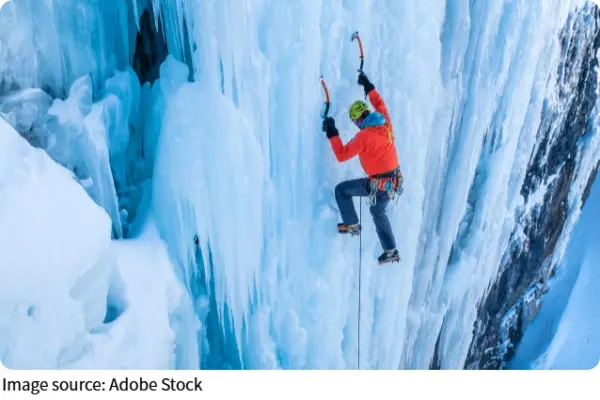
Stepping onto a glacier for the first time is like entering a sparkling, frozen world. The crunch of ice beneath your boots and the glint of sun on jagged peaks make every step feel alive.
But glaciers can be unforgiving, and the right gear can be the difference between a memorable adventure and a risky mishap. Knowing exactly what to bring ensures you stay warm, stable, and ready to enjoy the experience.
Proper Footwear and Traction Devices
Glacier terrain is slippery and uneven, so your feet need protection and grip.
Mountaineering boots: Stiff, insulated boots provide ankle support and warmth. Look for waterproof materials to keep moisture out while trekking over ice and snow.
Discover the hidden charms and practical tips for exploring Biarritz Harbor.
Explore endless dunes, vivid landscapes, and hidden gems in Namibia's desert!
Discover the colorful clay formations and hidden trails of the Bentonite Hills!
Explore hidden trails, serene waters, and breathtaking views in Argyll.
Three stunning destinations to enjoy snow, cozy vibes, and crisp mountain air!
Discover serene beaches and sparkling waters in the Gulf of Montenegro!
Crampons: Metal spikes that attach to your boots, giving traction on ice. There are adjustable crampons suited for different boot sizes and ice conditions.
Gaiters: Cover your ankles and lower legs to prevent snow or ice from entering your boots.
Example in practice: On a guided glacier hike, hikers wearing properly fitted boots with 10-point crampons could confidently ascend icy slopes, avoiding slips that less prepared visitors experienced.
Actionable tip: Try walking around your backyard or a local hill with crampons before your trip to get used to the feel and balance.
Clothing for Layering and Warmth
Weather on glaciers changes rapidly. Layering keeps you flexible and comfortable.
Base layer: Moisture-wicking shirts and pants to keep sweat off your skin. Synthetic or merino wool works best.
Mid layer: Insulating fleece or down jacket to trap body heat.
Outer layer: Waterproof, windproof shell protects against snow, ice, and harsh winds.
Accessories: Warm hat, gloves, and neck gaiter are essential. Sunglasses or goggles shield eyes from intense reflections off the ice.
Example in practice: A hiker layered a merino base, fleece jacket, and waterproof shell while exploring crevasses. When the wind picked up unexpectedly, they stayed dry and comfortable, unlike others wearing only a single jacket.
Actionable tip: Pack an extra pair of gloves and a thin thermal layer in your daypack—you'll be grateful if temperatures drop suddenly.
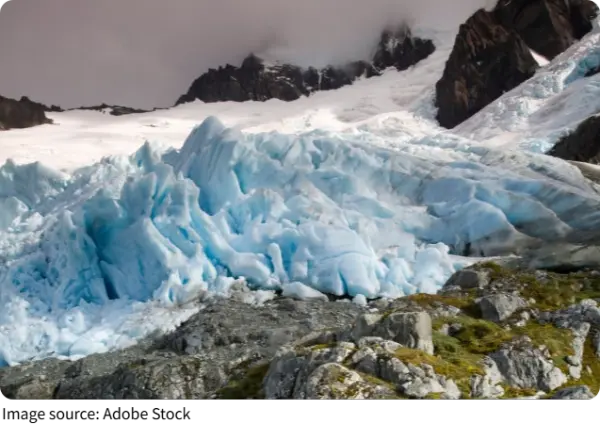
Navigation and Safety Tools
Glaciers can be disorienting, so tools for direction and communication are vital.
Map and compass: Even if using GPS, knowing how to navigate manually is crucial in case of device failure.
GPS device: Handy for tracking routes and locations in real-time.
Personal safety gear: Helmet to protect from falling ice, harness and rope for crevasse crossings.
Example in practice: During a guided glacier trek, a small group got slightly off course in fog. Using GPS coordinates and the map, they safely returned to the main trail without panic.
Actionable tip: Before stepping onto the glacier, practice reading your map and compass while stationary so you feel confident adjusting your route if needed.
Hydration and Energy Supplies
Cold weather can mask dehydration, and physical exertion demands energy.
Water bottles or hydration packs: Insulated versions prevent freezing. Drink frequently to maintain energy and avoid fatigue.
High-energy snacks: Nuts, dried fruits, energy bars, or chocolate provide quick fuel for long hikes.
Example in practice: A hiker carrying an insulated hydration pack and several small snack packs could maintain steady energy on a six-hour glacier trek, staying alert for crevasses and steep slopes.
Actionable tip: Break snacks into small portions and eat every hour to keep blood sugar steady and energy consistent.
Extras for Comfort and Documentation
While not strictly essential for safety, a few extra items enhance the experience.
Camera or smartphone: Capture the brilliant blue ice and panoramic views. Waterproof cases protect electronics.
Trekking poles: Offer extra stability, especially on slopes and uneven ice.
Emergency blanket: Lightweight and compact, useful for unexpected weather changes.
Example in practice: One hiker used trekking poles to stabilize steps across a slippery ice bridge and captured photos of a deep crevasse, creating memories and documenting their route.
Actionable tip: Attach a wrist strap or carabiner to your camera or GPS to prevent accidental drops on steep ice fields.
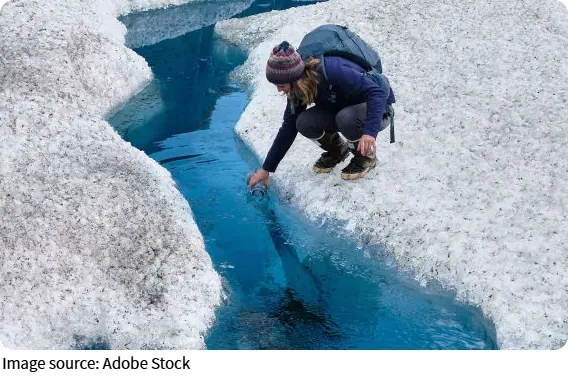
Preparing for a glacier adventure is more than packing items—it's about understanding the environment and anticipating challenges. With the right boots, layered clothing, safety equipment, hydration, and extras, you can focus on the awe-inspiring views instead of worries. Step onto the ice with confidence, and you'll find each crunch beneath your boots opens up a world of frozen wonder that's both thrilling and unforgettable.